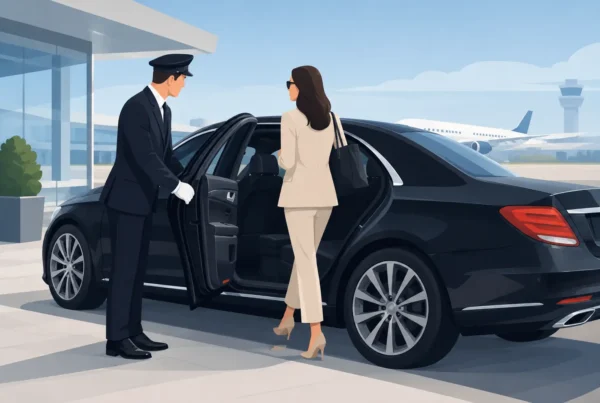

A VIP arrives 15 minutes late. A keynote speaker is sent to the wrong entrance. A wedding party is split between rideshares just as photos are about to begin. These are not small transportation problems – they are event problems. Luxury transportation for event planners protects the schedule, the guest experience, and the reputation behind the event.
For corporate functions, private celebrations, conferences, and high-visibility gatherings, transportation should be treated as part of the production plan. A professional chauffeur service does more than provide a vehicle. It creates a controlled, comfortable path between the airport, hotel, venue, dinner reservation, and departure point, allowing guests to arrive composed and on time.
Luxury Transportation for Event Planners Is a Guest Experience Decision
The first and last moments of an event often happen in a vehicle. An executive landing after a long flight, a wedding party heading to the ceremony, or a sponsor traveling from a hotel to a private reception notices whether the experience feels organized. A clean, modern vehicle and a courteous chauffeur send a clear message: their time has been considered.
That impression matters even more when guests are unfamiliar with the area. Denver traffic patterns, changing weather, mountain travel, airport congestion, and large venue campuses can introduce uncertainty to an otherwise well-planned day. A vetted chauffeur who knows the route, monitors timing, and understands the itinerary removes a significant source of stress for both the passenger and the planning team.
Luxury service also gives planners a level of discretion that standard rideshare options cannot consistently offer. For executives, public figures, board members, or private clients, the ability to travel without unnecessary attention is part of the service. The right transportation partner respects privacy, confirms details carefully, and handles every passenger with quiet professionalism.
Begin With the Movement Plan, Not the Vehicle
A common mistake is choosing vehicles before defining who needs to move, when, and why. Start with the event’s movement plan. Identify every point where transportation affects attendance, timing, safety, or the overall guest impression.
For a corporate event, that may include airport transfers for speakers, hotel-to-venue shuttles for leadership, executive transfers between meetings, and late-evening departures after a reception. For a wedding, it may include the couple’s private car, transportation for the wedding party, guest shuttles from the hotel, and a safe ride home for family members after the celebration.
Once those movements are mapped, the fleet decision becomes more practical. A luxury sedan may be the appropriate choice for a single executive or couple. An SUV offers additional room for luggage, security, or a small VIP group. Sprinter-style vehicles and mini-coaches can make more sense for coordinated groups moving on the same schedule.
The most impressive vehicle is not always the best choice. A large vehicle can be inefficient for an airport arrival with one passenger, while a sedan may not provide enough capacity for a keynote speaker traveling with colleagues and presentation materials. The goal is to match the vehicle to the passenger count, luggage needs, venue access, and level of service expected.
Account for the details guests do not see
The strongest transportation plans include time buffers. Flight delays, baggage claim, hotel elevators, registration lines, road construction, and weather can all affect a schedule. Build realistic windows around key movements, particularly arrivals that influence a program start time.
Provide the chauffeur service with clear pickup instructions, passenger names, mobile contact information, flight details when applicable, and the exact venue entrance. If a guest needs to be met inside an airport or directed to a private entrance, establish that expectation in advance. These details prevent last-minute calls and allow the transportation team to deliver the polished experience your guests expect.
It also helps to designate one transportation contact from the planning team. This person should be available to approve real-time adjustments, such as a changed pickup location or an additional return trip. With one point of contact, chauffeurs can act quickly without interrupting hosts, executives, or guests.
What to Expect From a Professional Chauffeur Partner
Luxury transportation is not simply a premium car reservation. It is a service relationship built around preparation and accountability. Before confirming a provider, event planners should understand how the company manages chauffeurs, fleet standards, communication, and unexpected changes.
A qualified chauffeur should be professionally trained, appropriately licensed, and familiar with the service area. They should arrive early, present themselves well, assist with luggage when needed, and recognize that their role extends beyond driving. They are often the first person a guest meets after a flight or the last team member a client sees at the end of an event.
Fleet quality deserves equal attention. Modern, meticulously maintained vehicles support comfort and reliability, but the condition of the vehicle should also fit the tone of the occasion. A formal gala, an executive board meeting, and a wedding each call for a polished presentation. Vehicle interiors should be clean, climate-controlled, and prepared for the length of the trip.
Communication is where dependable service becomes especially valuable. A quality transportation partner confirms reservations, follows flight status when airport service is involved, and maintains a clear channel for on-site updates. If conditions change, the response should be calm and solutions-focused. Event planners should not have to chase down drivers or wonder whether a VIP has been collected.
Choose coordination when the event has multiple moving parts
For a single airport transfer, a straightforward reservation may be all that is needed. For multi-day conferences, destination weddings, roadshows, or events with several simultaneous pickups, coordination becomes essential. The provider should be prepared to work from a detailed manifest, schedule staggered departures, and adapt to the pace of the event.
This is particularly helpful when guests have different service levels. A CEO may require private airport transportation, while a larger group of attendees needs scheduled shuttle service. Both experiences can be coordinated through one transportation plan without making every passenger travel the same way.
DA Executive Service supports this level of planning with private black car service, executive transportation, and event chauffeur solutions across Denver, Colorado Springs, and the Front Range. For events that extend beyond Colorado, a trusted affiliate network can help preserve a consistent standard of care in other cities and international destinations.
Plan for the Moments That Create Pressure
Every event has a few transportation moments where there is little room for error. Focus your planning attention there first: the airport arrival of a keynote speaker, the transfer of a wedding party to the ceremony, the departure of senior leadership, or the final ride for guests after an evening event.
For airport service, share accurate flight information and clarify whether the passenger prefers curbside pickup or a meet-and-greet experience. For venue transfers, confirm the loading zone, staging area, and timing restrictions with the property. Some downtown hotels, arenas, and private venues have strict rules that can affect where vehicles wait and how guests enter.
For evening events where alcohol is served, chauffeured transportation is also a thoughtful safety decision. Guests can enjoy the occasion without coordinating designated drivers, navigating an unfamiliar city, or waiting outside for an unpredictable ride. That peace of mind benefits hosts as much as it benefits passengers.
Cost should be considered in the context of risk and experience. Rideshare may appear less expensive for isolated trips, but it gives planners less control over vehicle condition, driver consistency, pickup timing, and guest privacy. For events where timing and presentation matter, a reserved chauffeur service is often the more reliable investment.
A well-run transportation plan is rarely the center of attention – and that is exactly the point. Guests feel cared for, schedules hold together, and planners can stay focused on the event rather than the curb outside. Reserve early, share the full itinerary, and give your transportation partner the information needed to make every arrival feel intentional.