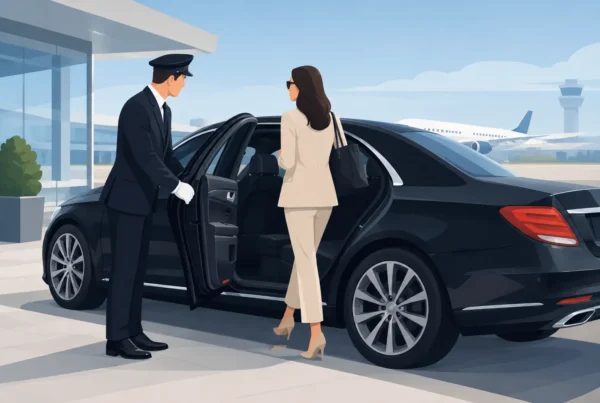
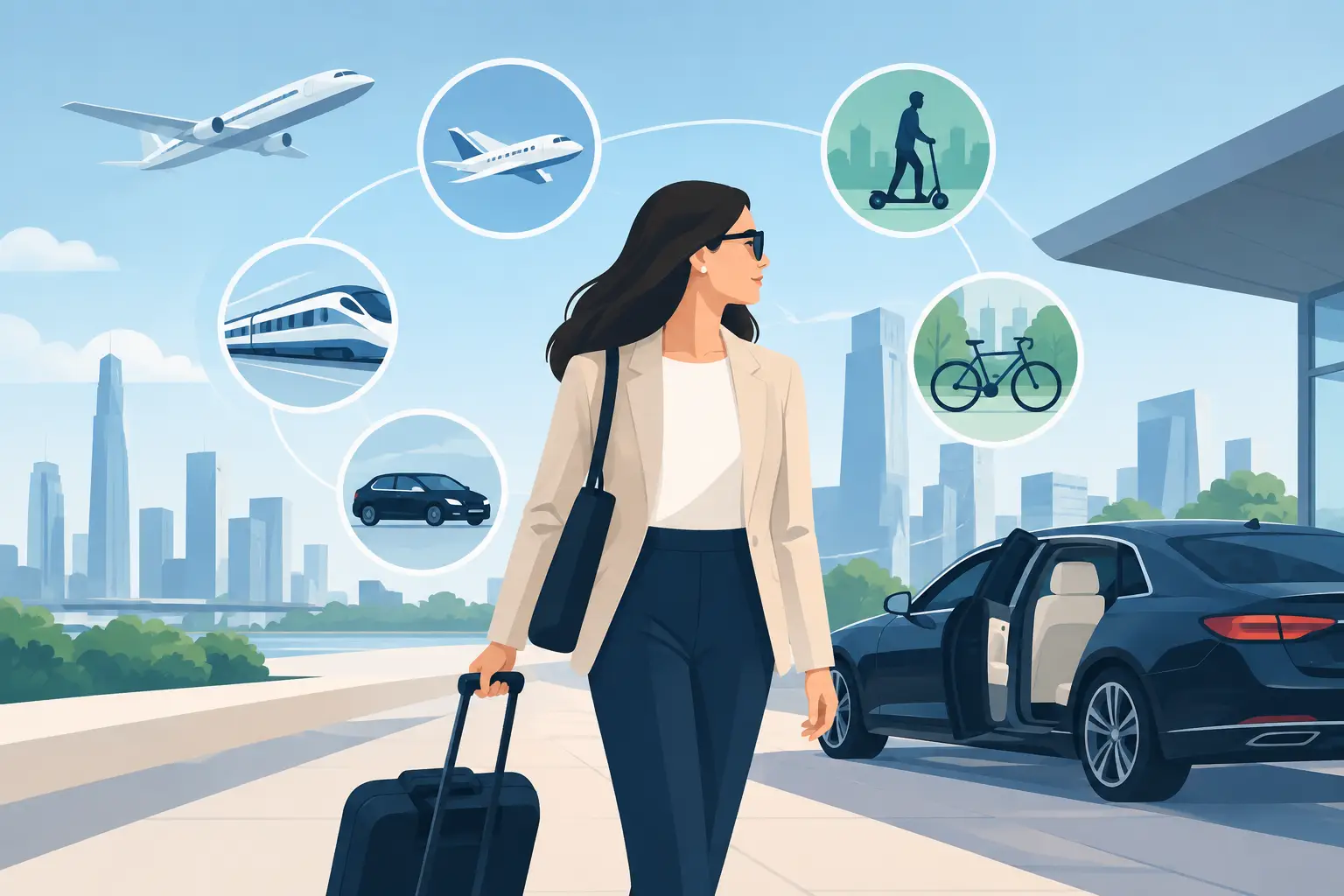
A delayed pickup outside DIA can turn a carefully planned executive itinerary into a series of compromises. A missed call, an unfamiliar driver, a vehicle that does not fit the occasion, or a route chosen without considering traffic can cost far more than a few minutes. The future of executive mobility is being shaped by a simple expectation: transportation should protect a client’s time, privacy, comfort, and professional presence from the moment the reservation is made.
For business leaders, executive assistants, and corporate travel planners, getting from one place to another is no longer the whole assignment. The experience must be dependable enough to support a full schedule, refined enough to reflect the passenger’s standards, and flexible enough to respond when plans change. That shift is moving premium ground transportation away from a transactional model and toward a concierge-driven service.
The Future of Executive Mobility Raises the Standard
Executive travel has always required punctuality, but the definition of punctuality is expanding. A chauffeur arriving at the stated pickup time may technically be on time. A truly prepared service accounts for flight updates, baggage claim timing, venue access, weather, road conditions, and the passenger’s preferred pace. It anticipates rather than reacts.
This is especially relevant across Colorado’s Front Range, where airport traffic, mountain weather, major conventions, and distance between meetings can make a simple transfer less predictable than it appears. The best experience begins before the vehicle reaches the curb. It includes accurate reservation details, clear communication, a clean and appropriately appointed vehicle, and a chauffeur who understands that discretion is part of the job.
The distinction matters because executives are not simply passengers. Many are preparing for presentations, handling confidential calls, traveling with colleagues, or taking their first quiet moment between commitments. Their vehicle becomes a temporary office, a private reset space, or an extension of a company’s hospitality for a valued guest.
Technology Should Support Hospitality, Not Replace It
Technology will play a larger role in executive transportation, but convenience alone is not a luxury experience. Automated flight monitoring, real-time dispatch coordination, digital confirmations, and route intelligence can reduce uncertainty. Used well, these tools keep the chauffeur informed and the client from needing to manage every detail.
Yet technology has limits. An app cannot always recognize that a senior executive needs a quieter pickup location, that an international guest may need extra time after a long flight, or that a wedding party requires a different level of coordination than a board meeting. Those decisions call for experienced people who can apply judgment with care.
The strongest transportation providers will combine both. Clients should receive the reassurance of well-managed logistics without feeling like a reservation number. That means responsive communication, clear accountability, and a real person who can make informed adjustments when a schedule moves. For high-stakes travel, the ability to reach a knowledgeable coordinator is not old-fashioned. It is a practical advantage.
Privacy Will Become Even More Valuable
As travel becomes more connected, privacy becomes more valuable. Executives, public figures, legal professionals, and corporate teams routinely discuss sensitive information, carry valuable equipment, and operate on schedules that should not be public. Their transportation provider must treat that responsibility seriously.
Discretion starts with vetted chauffeurs and extends to conduct. It means respecting silence when a passenger is working, avoiding unnecessary questions, handling luggage professionally, and understanding that a client’s identity, destination, and conversations are not part of the service story. A polished chauffeur knows when to be helpful and when to fade into the background.
For companies arranging travel for visiting leadership or clients, privacy is also a reflection of their own standards. The arrival experience says something before the first meeting begins. A prepared chauffeur and well-maintained vehicle create confidence. An inconsistent ride can create the opposite impression.
Flexibility Will Matter More Than a Fixed Itinerary
The future of executive mobility will be less about a single point-to-point trip and more about managing the spaces between commitments. A flight is delayed. A meeting runs long. A dinner location changes. A client asks to add a stop. These are normal realities of business travel, not unusual exceptions.
This is where reservation-based chauffeured service has a clear role. A dedicated vehicle and professional chauffeur provide continuity throughout the day. Instead of reopening an app, waiting for an unknown driver, or separating a group across several vehicles, passengers can move through a changing itinerary with greater control.
That does not mean every traveler needs full-day service. For a straightforward airport transfer, a carefully scheduled sedan or SUV may be exactly right. For a multi-stop roadshow, corporate event, or visiting executive team, hourly service and coordinated fleet planning may offer better value and less stress. The right choice depends on the schedule, number of travelers, luggage, security expectations, and level of flexibility required.
Fleet Choice Is Part of the Client Experience
Premium mobility is not defined by luxury branding alone. The vehicle must fit the traveler and the occasion. A solo executive may prefer a quiet sedan for airport transportation. A leadership team may need an SUV with room for colleagues and carry-ons. A larger corporate group, wedding party, or event delegation may require coordinated vehicles so everyone arrives together and on time.
Modern, meticulously maintained vehicles support comfort and confidence, but fleet selection should also be practical. There is little value in sending a vehicle that feels too small, too showy for the setting, or ill-suited to Colorado weather. Thoughtful recommendations reflect an understanding of the client, not a one-size-fits-all sales approach.
Sustainable Choices Need a Practical Path
Sustainability will continue to influence executive travel decisions, particularly for organizations with environmental reporting goals. Over time, more clients will ask about fuel-efficient vehicles, electric options, route planning, and ways to reduce unnecessary vehicle miles.
The trade-off is that reliability must remain the first priority. In some markets, an electric luxury vehicle may be an excellent fit for local transfers. In others, charging availability, distance, weather, passenger load, or back-to-back reservations may make another vehicle type more appropriate. Honest guidance matters more than broad promises.
A more sustainable transportation program can also come from smarter planning: combining pickups where appropriate, coordinating group transportation, and selecting the right vehicle for each itinerary. Efficiency and elevated service do not have to compete when the travel plan is built thoughtfully.
What Clients Should Expect From a Premium Partner
As expectations rise, clients should look beyond price and vehicle photos. A premium transportation partner should offer clear reservation procedures, trained and vetted chauffeurs, a modern fleet, and reliable support before, during, and after the ride. They should understand the difference between arriving at an address and arriving prepared.
For recurring corporate travel, consistency is particularly valuable. When a provider learns a company’s travel patterns, preferred pickup instructions, billing needs, and service standards, each reservation becomes easier to manage. That familiarity reduces friction for executives and administrative teams alike.
DA Executive Service approaches executive transportation with this level of personal attention, serving clients across Denver, Colorado Springs, and the Front Range while coordinating travel needs beyond Colorado through an established affiliate network. The goal is not simply to provide a vehicle. It is to make the travel portion of an important day feel organized, private, and well cared for.
The most meaningful change ahead is not that executive transportation will become more complicated. It is that the best providers will make it feel simpler. When every detail is handled with professionalism and care, passengers can step into the vehicle, sit back, and focus on what brought them there.